
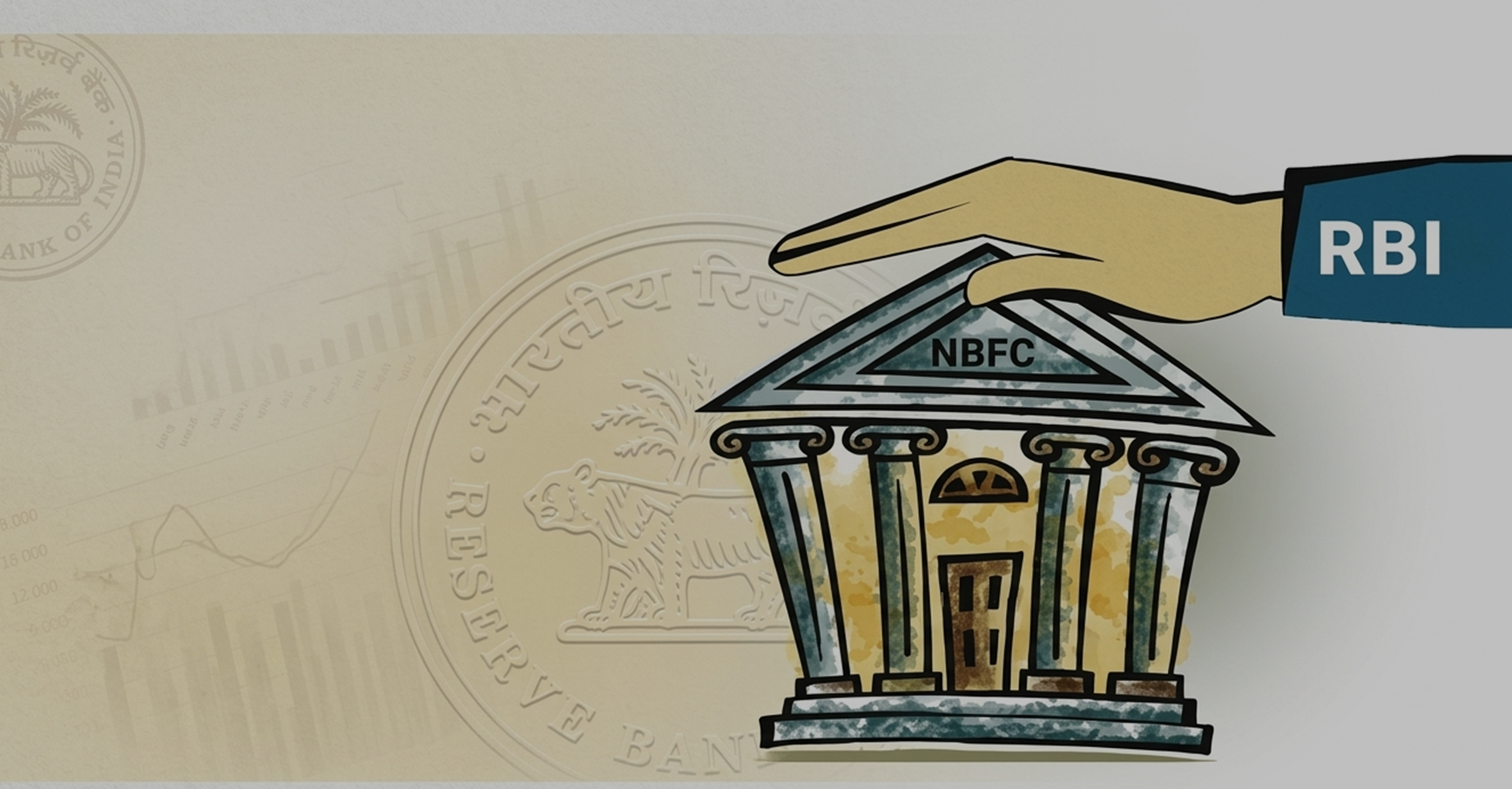
If you've ever wondered why there are so many loan companies in India beyond your regular bank, the ones financing your two-wheeler, your small shop, or even that gold loan, you're looking at NBFCs. And yes, the RBI not only knows about them, it actively wants them around.
Here's why.
Banks Can't Do It All
India is a big country with an even bigger credit gap. There are millions of small business owners, farmers, daily-wage workers, and first-time borrowers who need loans, but don't quite fit into a bank's checklist. No salary slips. No formal credit history. Sometimes, no collateral.
Banks, by their nature, play it safe. They have depositors to protect and strict rules to follow. So, they tend to lend to people who already have something to show.
That's where NBFCs step in.
NBFCs Go Where Banks Don't
Non-Banking Financial Companies, NBFCs, are built differently. They're faster, more flexible, and often more willing to understand the ground reality of a borrower's life. A vegetable vendor in a small town, a self-employed tailor, a first-generation homeowner, these are the people NBFCs are actually designed to serve.
The RBI has itself acknowledged that NBFCs "provide credit at the bottom of the pyramid (bottom - daily wage workers, small vendors, farmers, rural households, first-generation borrowers ". Today, NBFCs account for roughly 25% of the total bank-like credit in India. That's not a small number. It means crores of people are getting access to formal finance who otherwise wouldn't.
So Why Does RBI Allow This?
Simple, more lenders mean more people get served. The RBI's job isn't just to keep banks safe. It's to make sure credit flows through the economy, reaches the right people, and supports growth. NBFCs help achieve that without the RBI having to expand the banking system overnight.
And it's not a free pass. The RBI keeps a close eye on NBFCs. They have to maintain capital buffers, follow lending rules, classify bad loans honestly, and cannot just go around collecting public deposits like banks do. Bigger NBFCs are held to even stricter standards — almost at par with banks.
Think of it this way: banks are the highways of Indian finance which is well-built, regulated, and meant for most traffic. NBFCs are the smaller roads that reach the villages, the bylanes, the places the highway doesn't touch.
Both are necessary. And the RBI, knowing this well, makes sure both exist, and both stay honest.
At RKPF, we believe credit should reach everyone who needs it. That's the same belief that sits at the heart of India's NBFC ecosystem.